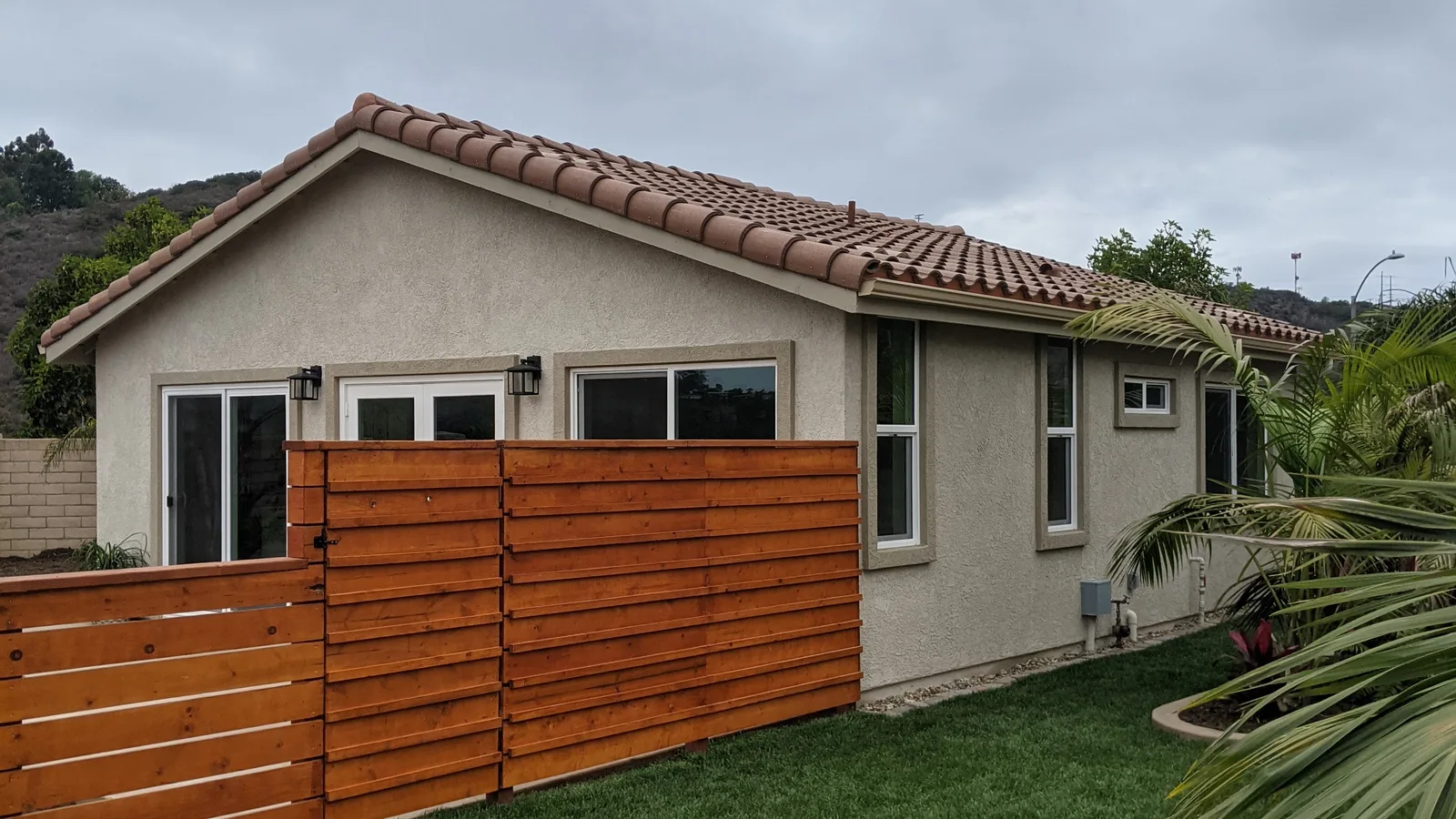
Manassas homeowners could add one apartment or backyard cottage of up to 800 square feet from July 1, 2027. The rules passed a first vote Nov. 9; the final vote is Dec. 7.
Updated Nov. 25: The council unanimously approved the first reading Nov. 9. The second reading and adoption are scheduled for the Dec. 7 meeting, according to the city’s summary of the Nov. 9 meeting. The rules would still take effect July 1, 2027.
Owners of single-family homes in Manassas could add a basement apartment, an addition or a backyard cottage as a second home on their lot from July 1, 2027. The Manassas City Council gave the rules their first reading Nov. 9.
The rules are written into Ordinance O-2026-1093, which was on the Nov. 9 council agenda.
Why the city is doing this
A new state law requires it. Chapter 895 of the 2026 Acts of Assembly, Senate Bill 531, was approved April 13. It makes accessory dwelling units, known as ADUs, a permitted use in single-family zoning districts across Virginia from July 1, 2027. It also lists the limits a city may set and the ones it may not.
The Planning Commission recommended the city’s version after a public hearing June 3. The council held its own public hearing July 13, the ordinance says.
What the rules allow
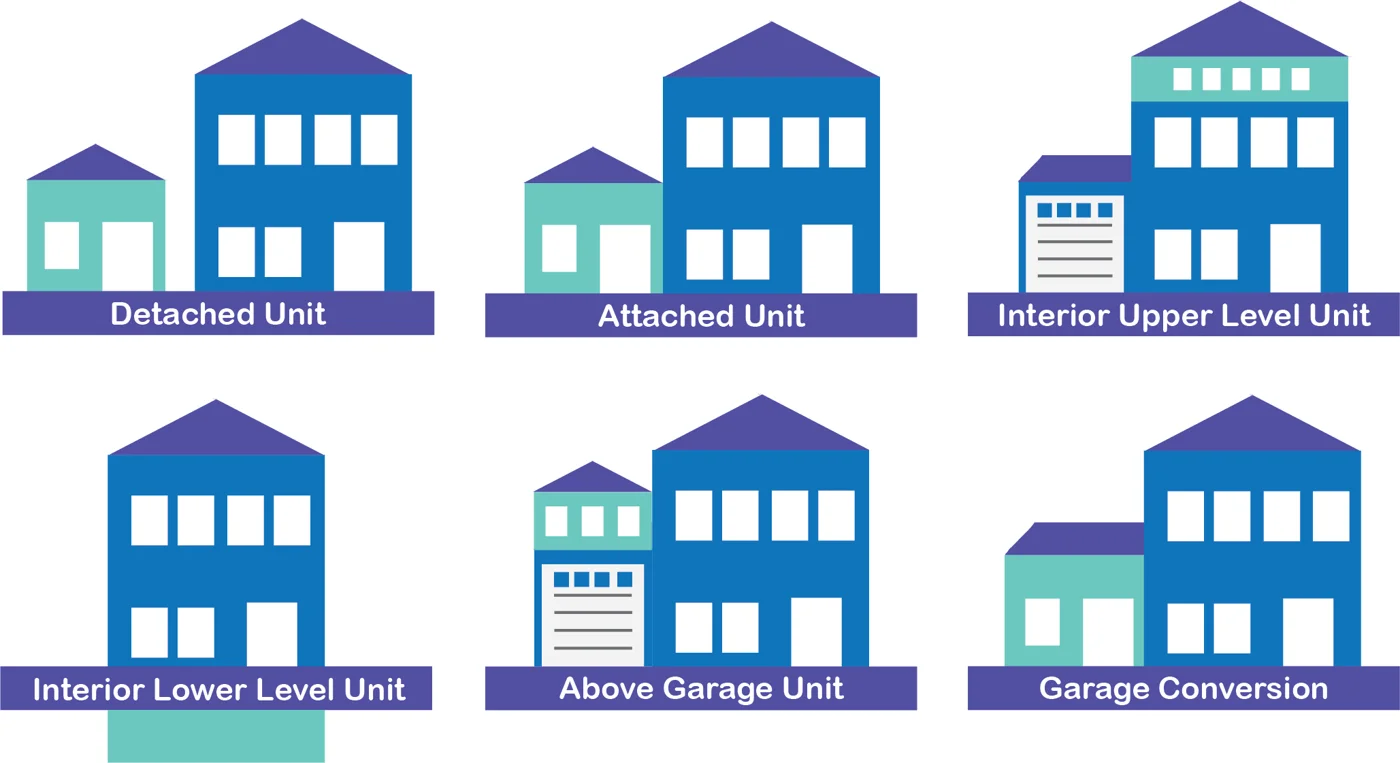
An ADU is a second, self-contained home on the same lot, with its own kitchen, bathroom and sleeping space. Under the ordinance:
- Where: lots with a single-family house in the A-1, R-1, R-2, R-2-S and R-7 zoning districts, by right
- How many: one per lot, and none on a lot that already has more than one home
- Size: the lesser of 800 square feet or 40% of the main house, but never capped below 500 square feet
- Basements: a unit entirely in the basement can take up the whole basement
- Distance: no more than 500 feet from the main house
- Setbacks and height: the same as for sheds and garages or for the house, whichever is less, and no taller than the district allows
- Parking: one space for the ADU, plus the spaces the house already needs; any lost to the build must be replaced
- Owner on site: the owner must live in the house or the ADU when applying, but not later
- Renting: allowed, with leases of at least 30 days, so no short-term rentals
- Selling: the ADU cannot be sold or split off from the main lot
An existing shed or garage that breaks today’s setback rules can still be converted. The ordinance also lets a converted unit be enlarged by up to 20% of its footprint with staff approval, as long as it does not get closer to the lot line.
Permits, utilities and HOAs
The city’s draft homeowners guide to ADUs sets out the steps. Expect:
- a building permit application, with two sets of plans and inspections
- a house location survey, though basement units typically will not need one
- a site plan if the work disturbs enough ground
- a one-hour fire-rated separation between the two homes
An ADU needs its own water, sewer and electric connections and meters, the guide says. Utility availability fees may apply and are generally collected with the permit.
State law lets a locality charge up to $500 for the ADU permit itself, on top of building and inspection fees.
Homeowners associations keep their own say. The state law does not override HOA covenants, and the city’s guide warns that city approval does not satisfy an HOA’s rules.
Renting out a room is different. The guide says renting rooms to more than one unrelated person for more than 104 days a year makes a home a boarding house.
What it means for you
- Nothing changes yet. The rules take effect July 1, 2027. The first reading passed Nov. 9, and the second reading is scheduled for Dec. 7.
- Check your zoning. The city’s maps are on its website, and our building permits and zoning guide explains the districts and the permit process.
- Check your HOA early. City approval does not override an HOA’s rules.
- An existing basement apartment may be legalized. If a permit was issued for the finished space, the city will review it and say what more is needed, the guide says.
- Ask before you apply. City planning staff will meet to discuss a project first. Email permitstatus@manassasva.gov or call 703-257-8278.
Home values and rents across the city are tracked on our home prices page.
Have your say